PX2 testimonials
(Translated from Korean)
I’ve been receiving keyboard synthesizer signals through the Radial JDI for 14 years.
I’ve long loved the sound of Jensen transformers, but after using it for over 10 years, I naturally started wondering if there’s any worthy successor out there lol.
Then, my junior Ha Juso Mun Seong-yo posted an ad for the PYE DI as their exclusive distributor, and since it’s just one DI model, I got curious why they were pushing it so hard and asked about it.
He said something like the level gets boosted, it’s passive but has color/tone, etc., so I received a demo unit anyway.
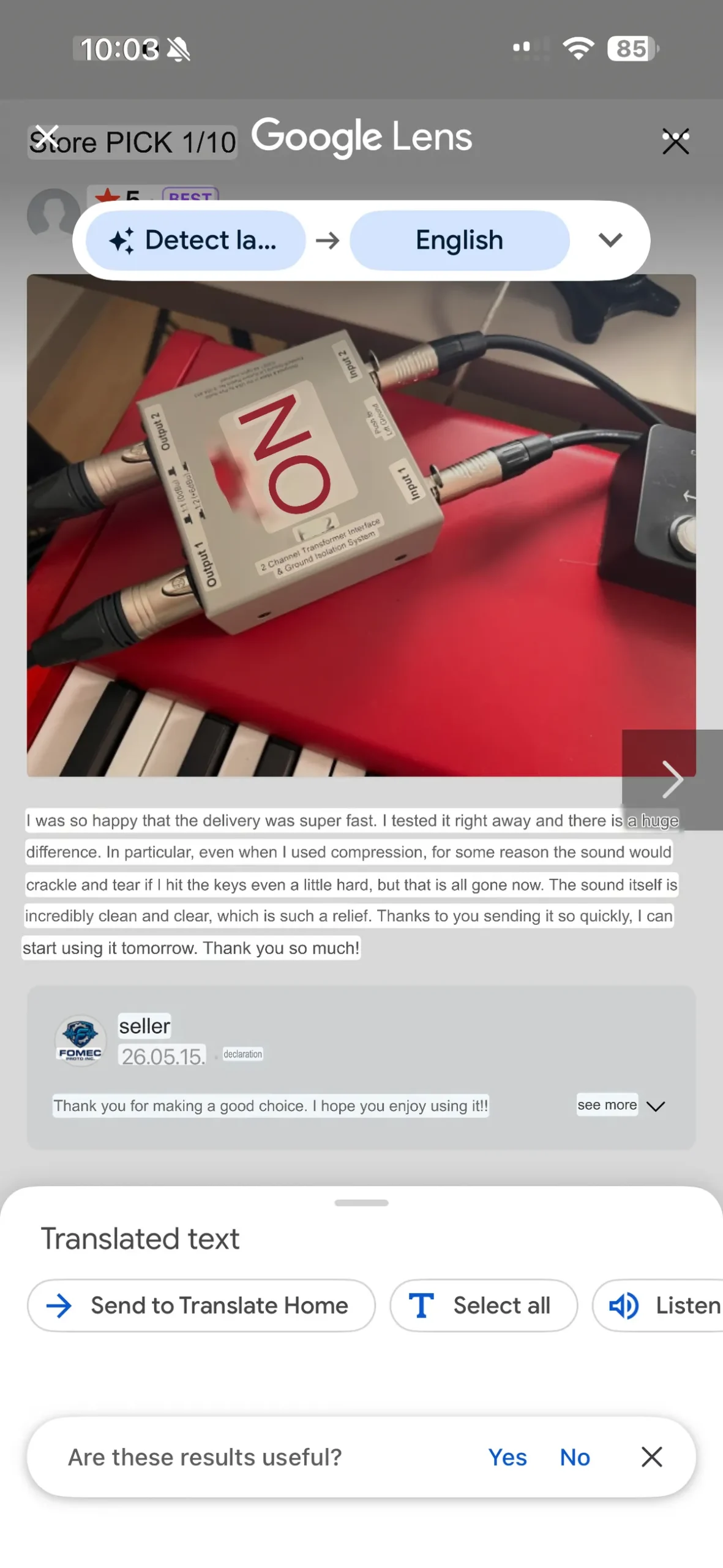
But right from the first connection—clip peaks!! Pop pop!! Even at -10, peaks!! Again!! At -10… hmm, what’s going on with this passive unit?
A passive preamp? Does something like that even exist? I was thinking…
While using the Nord Piano, there were many moments when things got masked, so I’ve been increasing EQ processing more and more, but after trying this, I reverted about 70% of that processing.
Some of you reading this might think, “Why not just use an active DI?”
To add context: the environment has poor cable routing protection—cables get stepped on by feet, connectors and wiring could fail anytime unpredictably, and we do setup/teardown 3–4 times a week. Cable connection protection is difficult, so I’ve been excluding active units as a priority and looking for passive options.
The price is similar to the JDI Stereo, so I was like, “Who are you to compare?” But after demoing it, I was convinced—they made a product they’re truly confident in.
It has that Neve-like punch, and without cranking the console gain much, the signal is sufficiently amplified right from the DI stage. It seems like PYE is the only passive DI that does this.
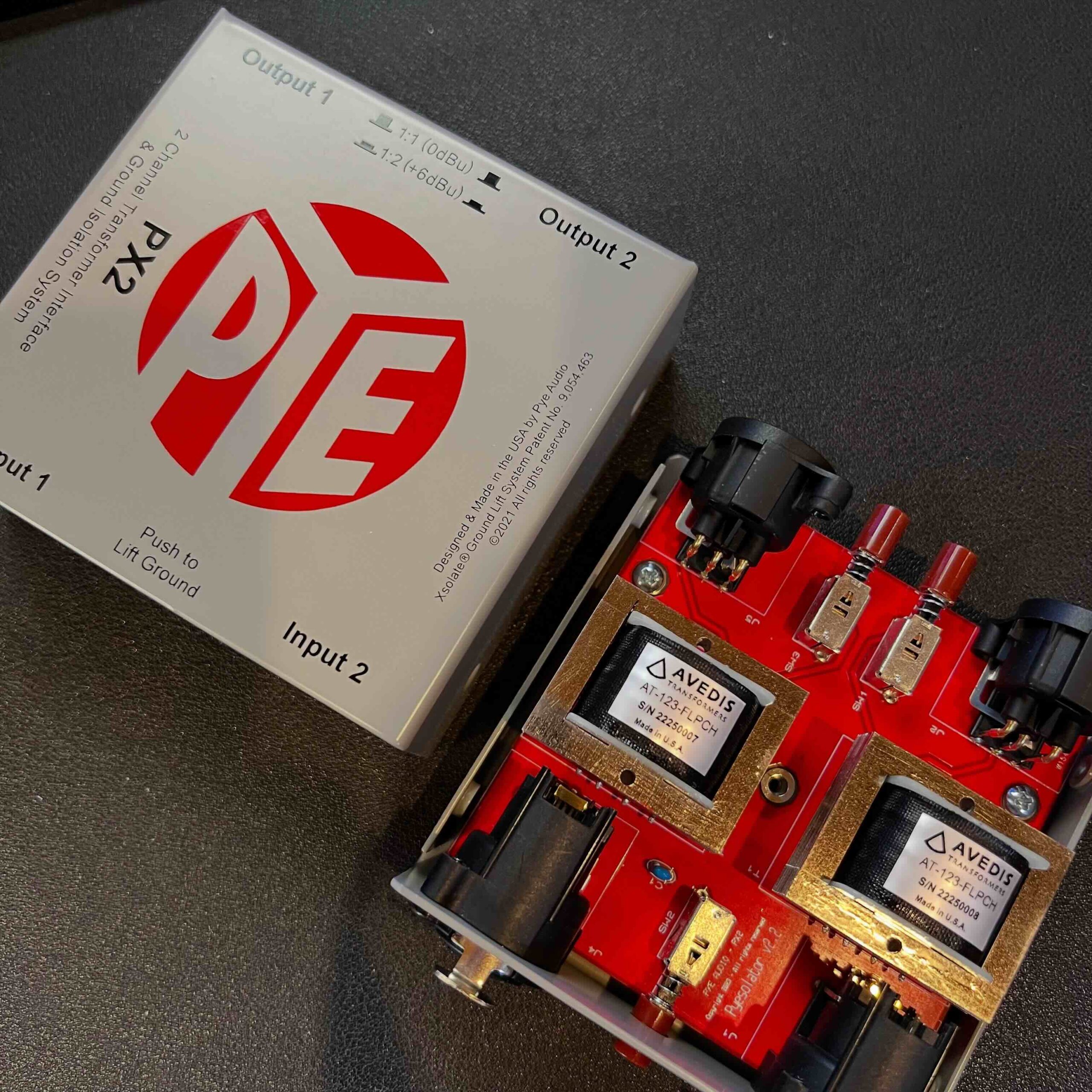
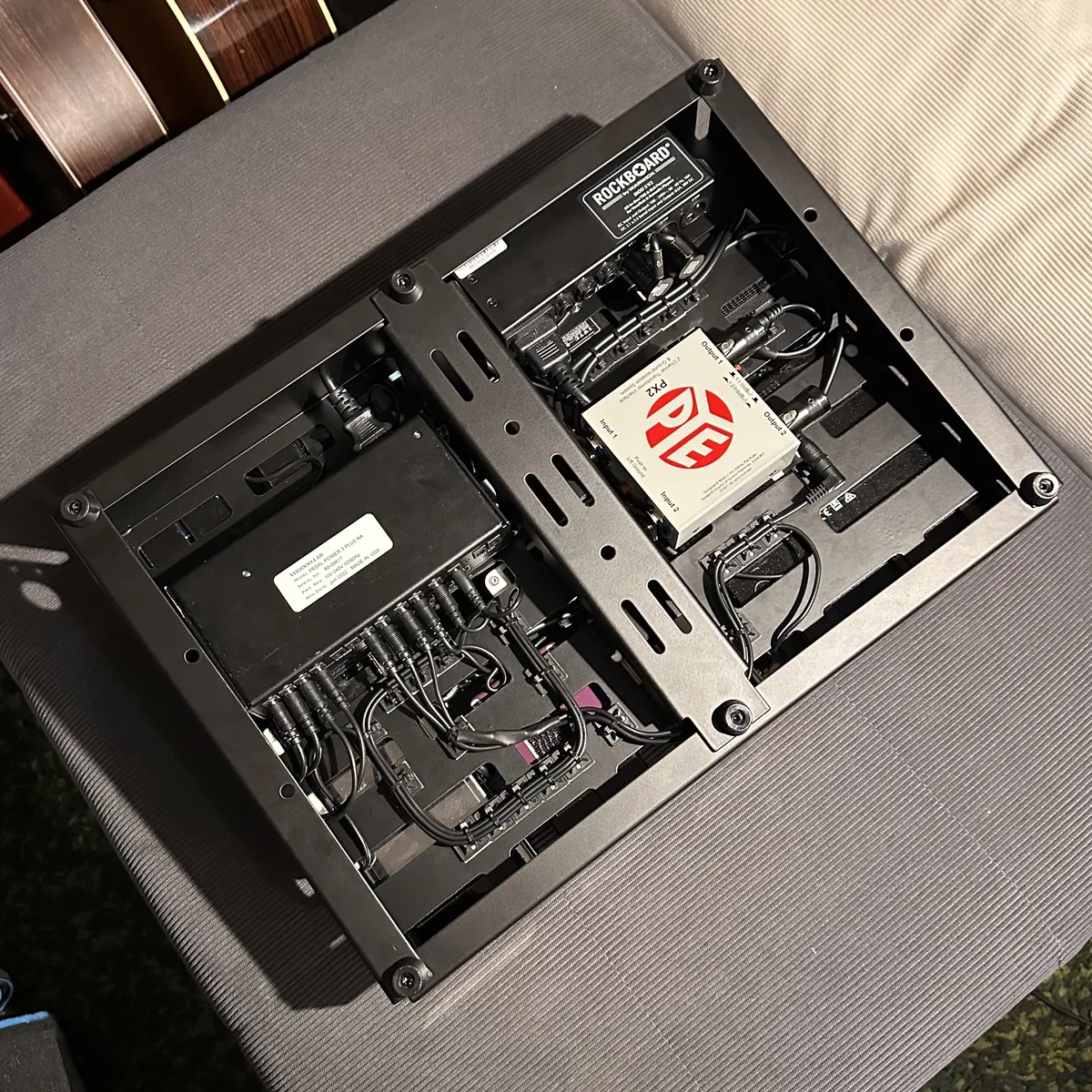
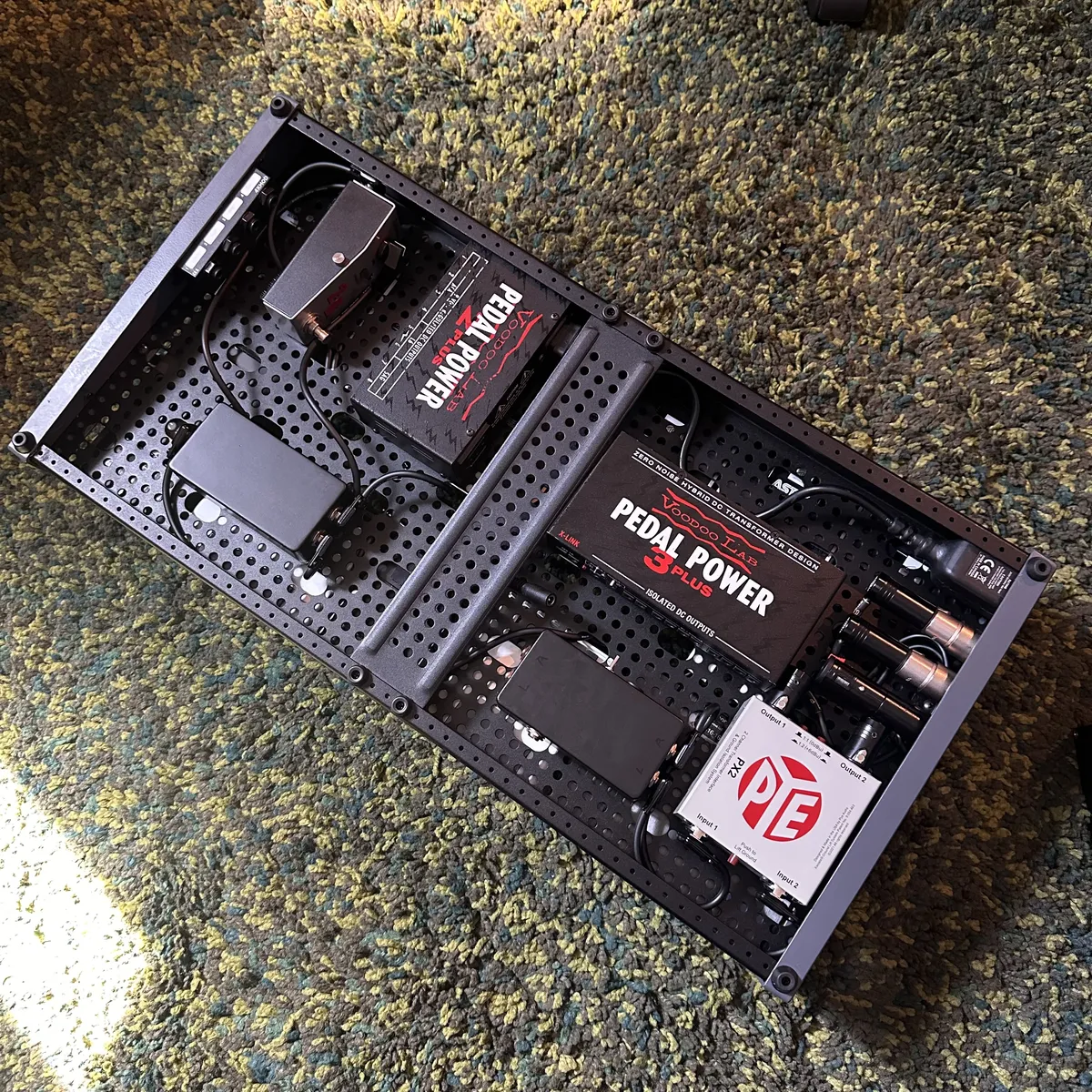
The fact that they expose the internals like that in their ads probably shows real confidence in being unique/standout.
When I look at Instagram accounts playing vintage synths, the sound is so clear and nice, and when I check, I often see Neve channel strips. If you want to give that premium console sound without spending a fortune, just with a DI, I recommend something like this.
Search “pye px2” on Naver and only one distributor shop comes up.
The true successor to the JDI feels like the PX2.
JDI is the mild flavor, PX2 is the spicy one lol
This is a review of the PYE from WeLoveCreative(Korean Christian Contents music band)
“When used for recording or jamming, the guitar doesn’t get buried and comes through clearly and richly. The sound is really pleasing. The saturation is different from a mic preamp and much better than an active DI. I can’t wait to use it live!”
Here is a corrected and polished version of the review for the PYE PX2 Line Isolator.
REVIEW: PYE PX2 Line Isolator
“You might be fine not knowing—but once you hear it, there’s no going back.”
Words by | Guitarist GK
INTRODUCTION
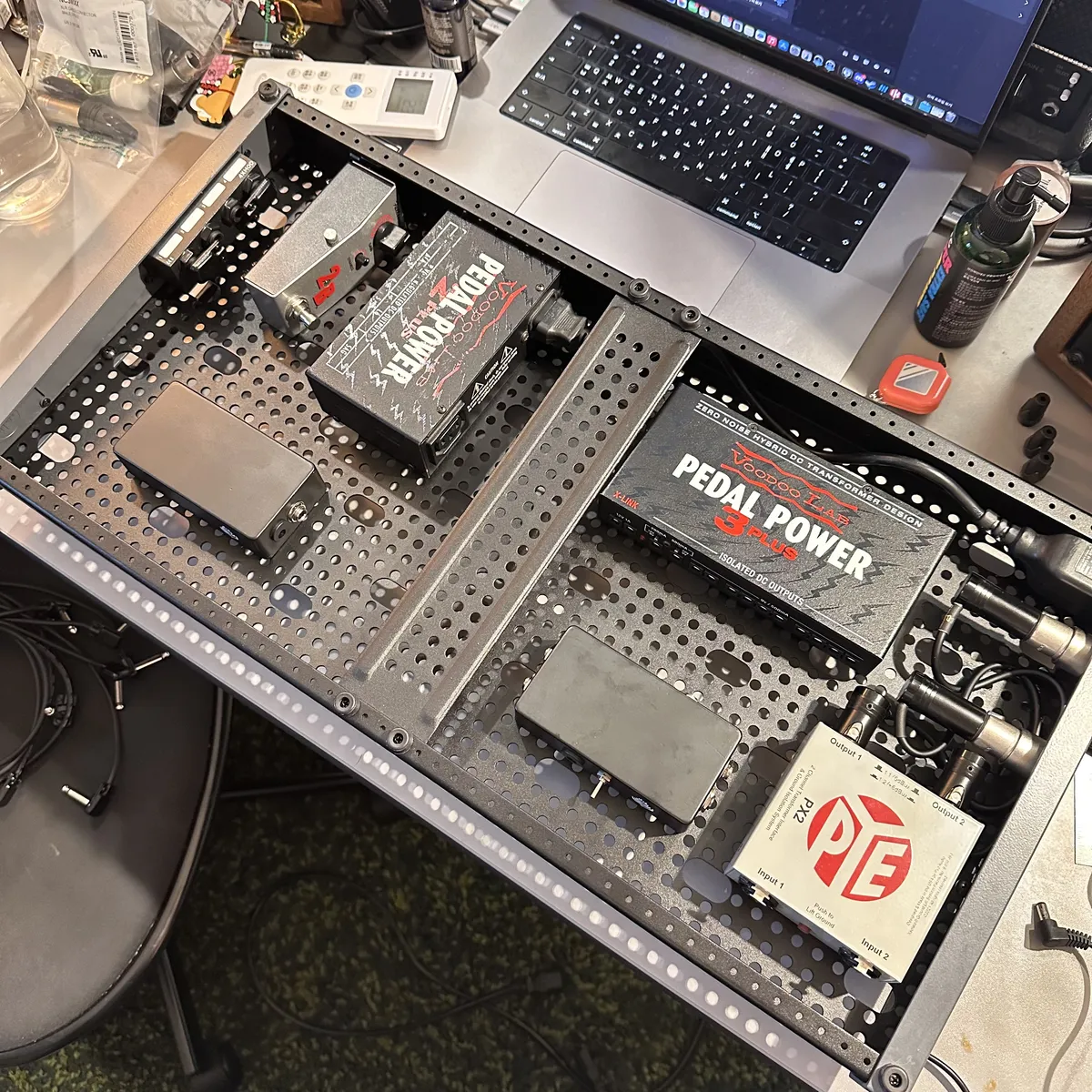
Whether on stage or in the studio, most musicians rarely give much thought to DI boxes or line isolators. Typically, we use whatever gear the engineer provides, and as long as there’s no noise or obvious issue, we assume it’s doing its job. I was no different. For years, I relied on standard DI boxes without much scrutiny. Among them, the Radial JDI with its Jensen transformer stood out for its solid, transparent sound—and I had no complaints.
Then, almost by chance, I discovered the PYE PX2. What began as casual curiosity quickly turned into something extraordinary. Depth, clarity, and a small button that sparked a tonal revelation—the PX2 proved to be more than just a utility. It became an essential tone tool.
BUILD & DESIGN
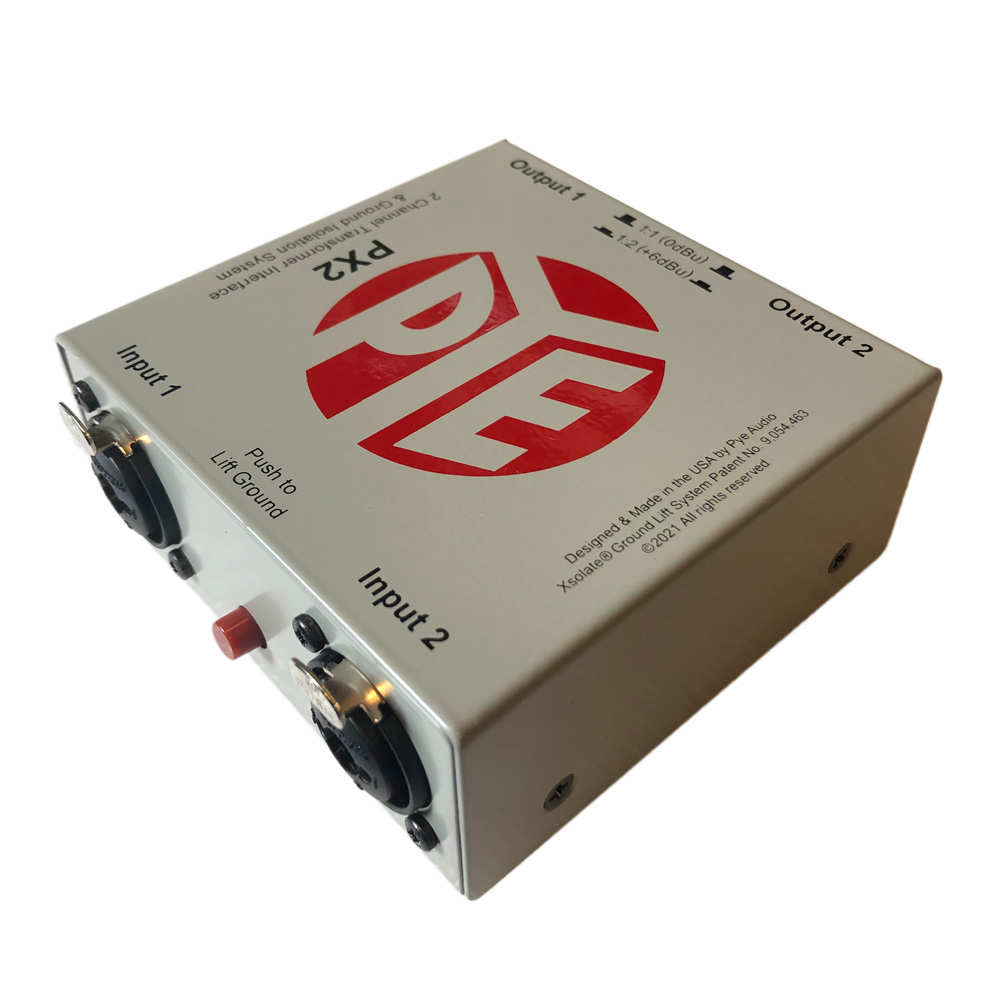
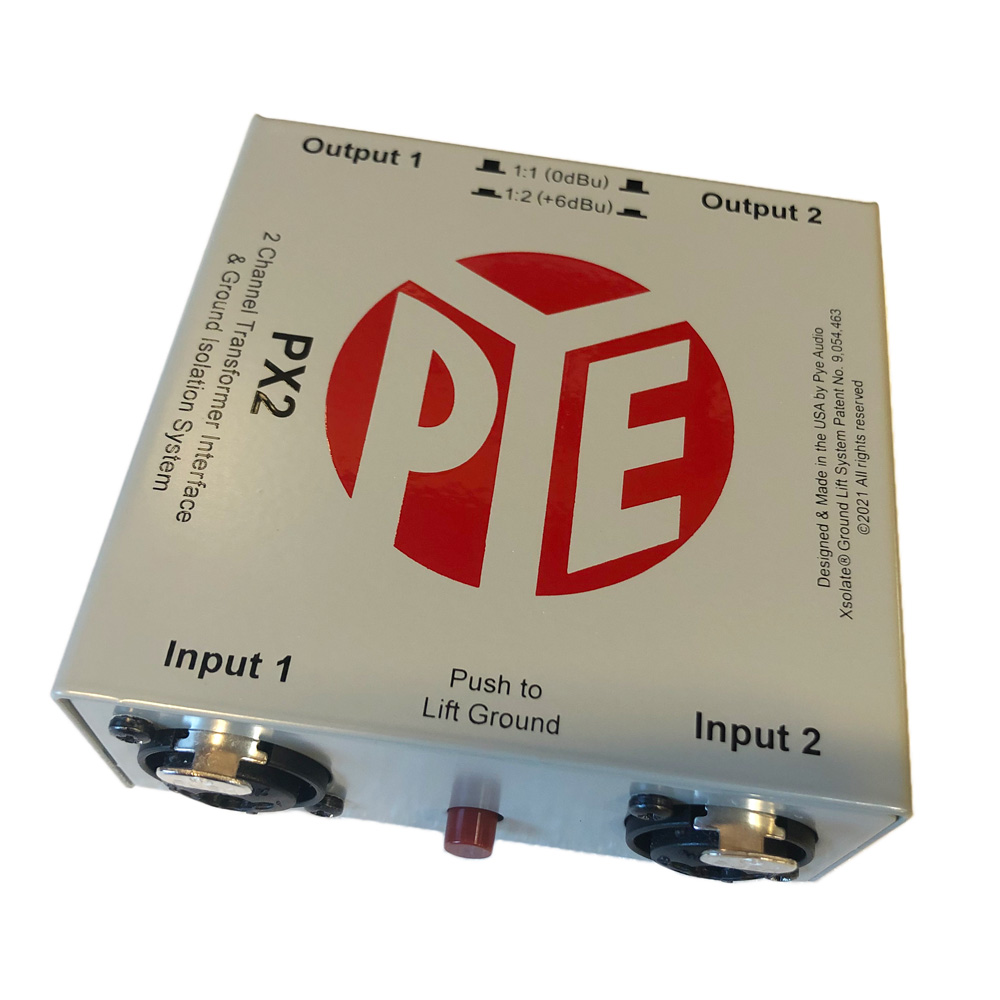
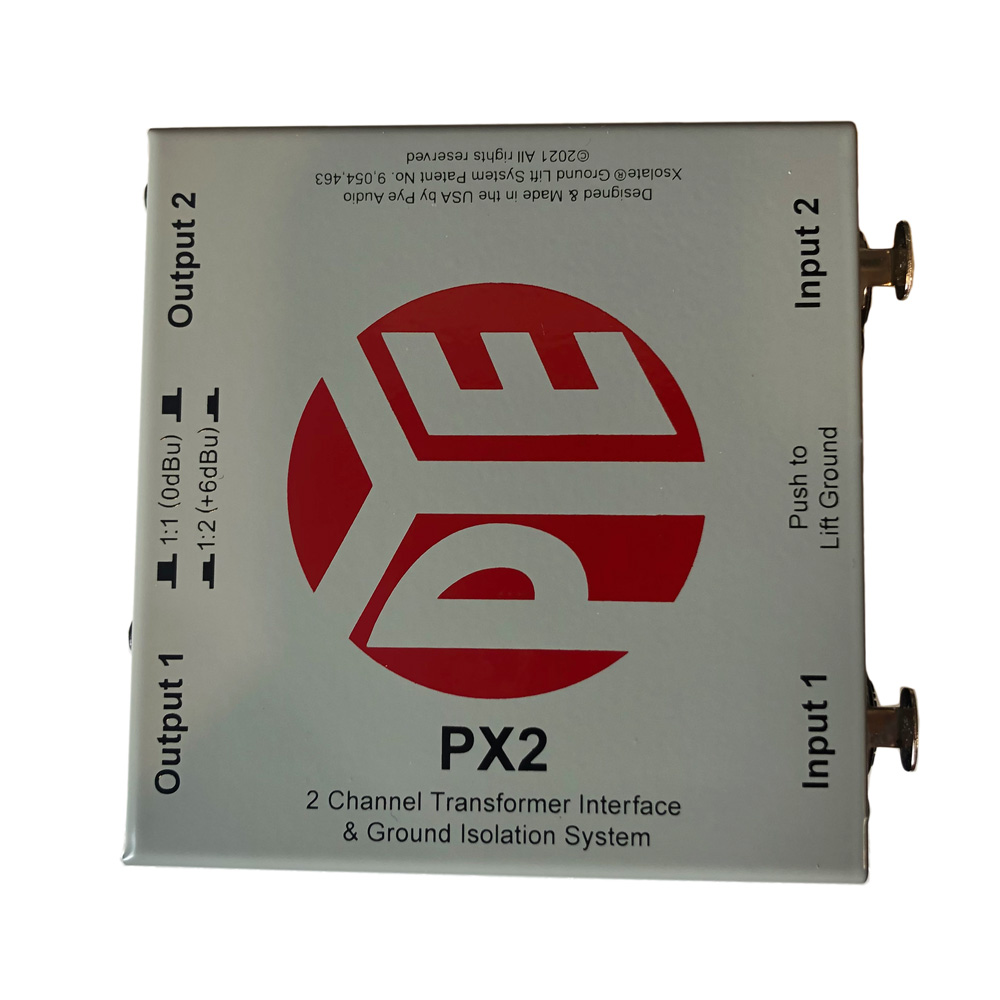
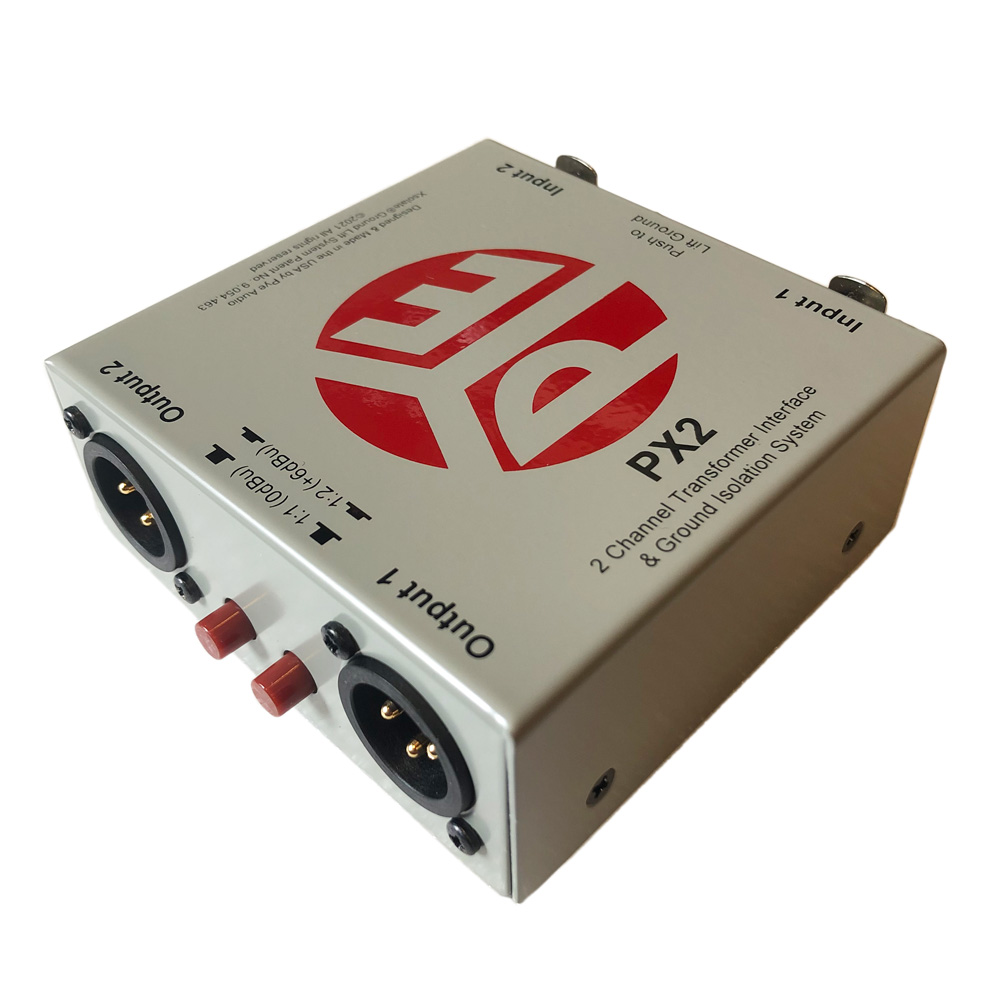
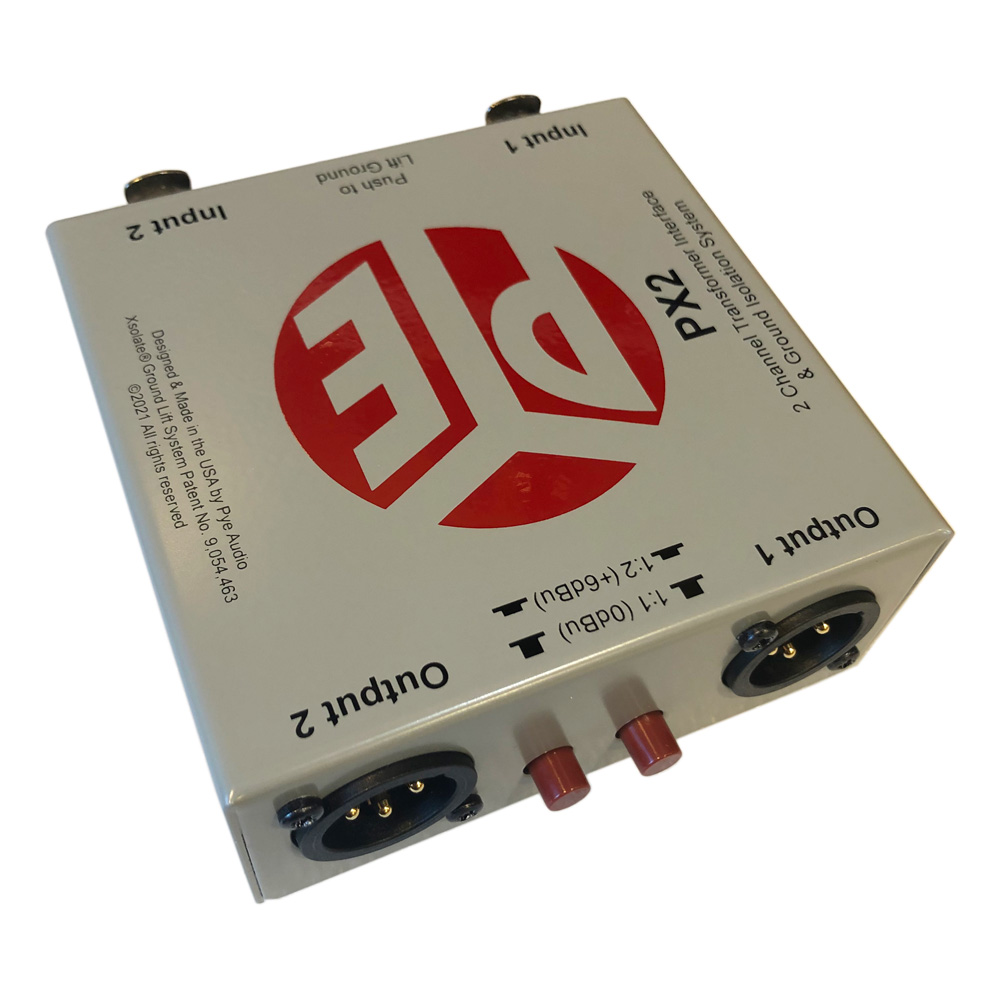
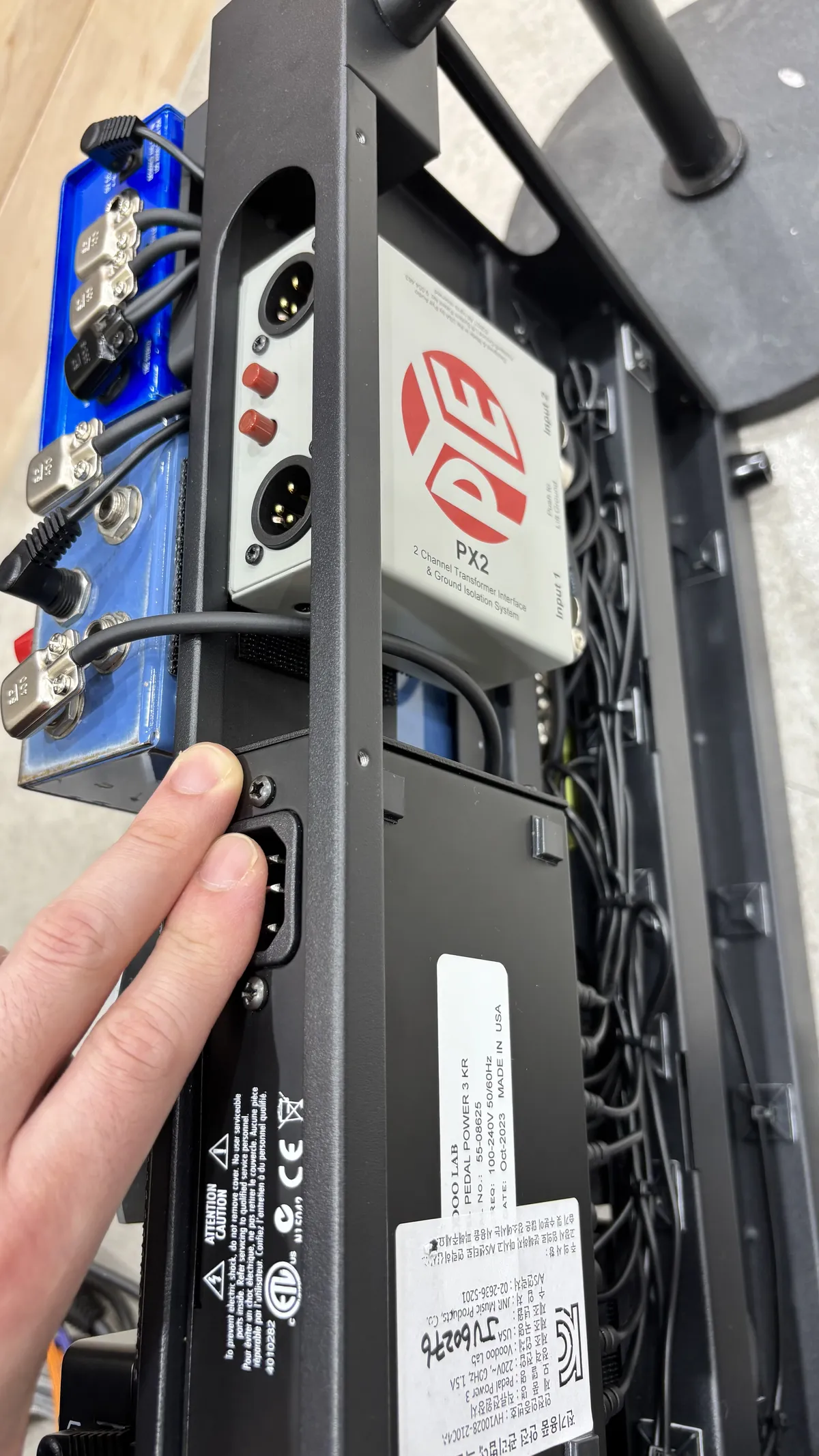
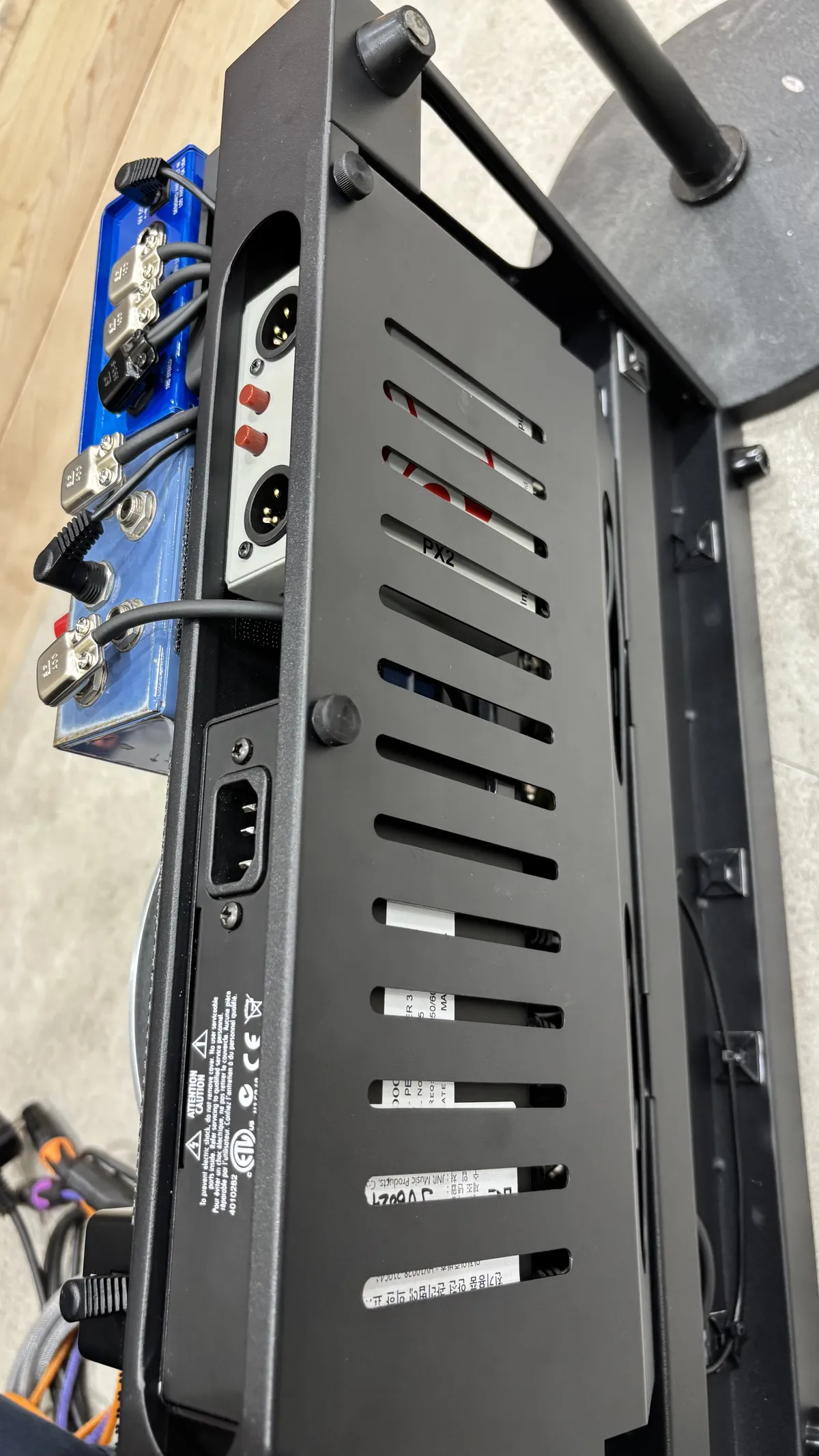
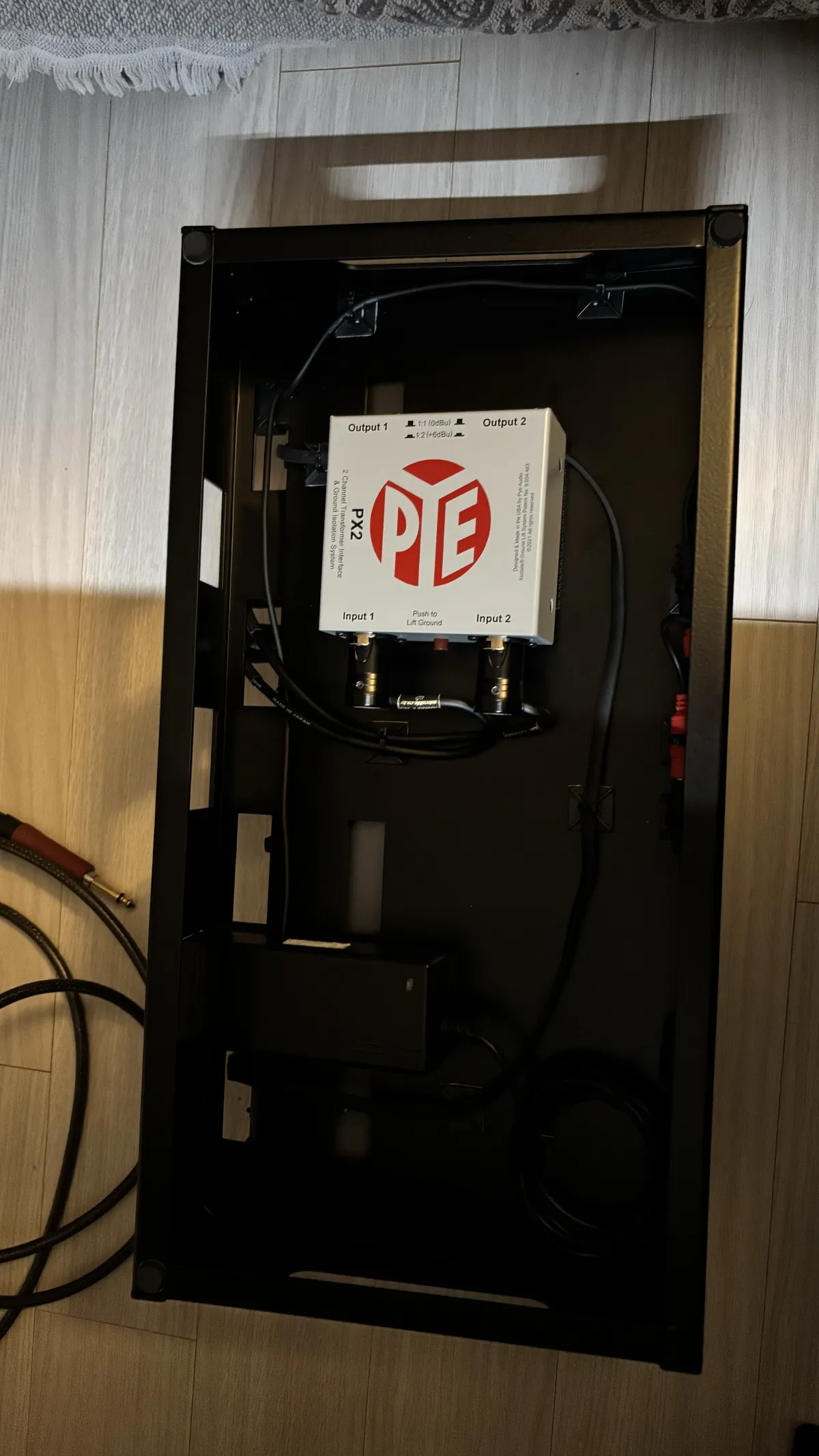
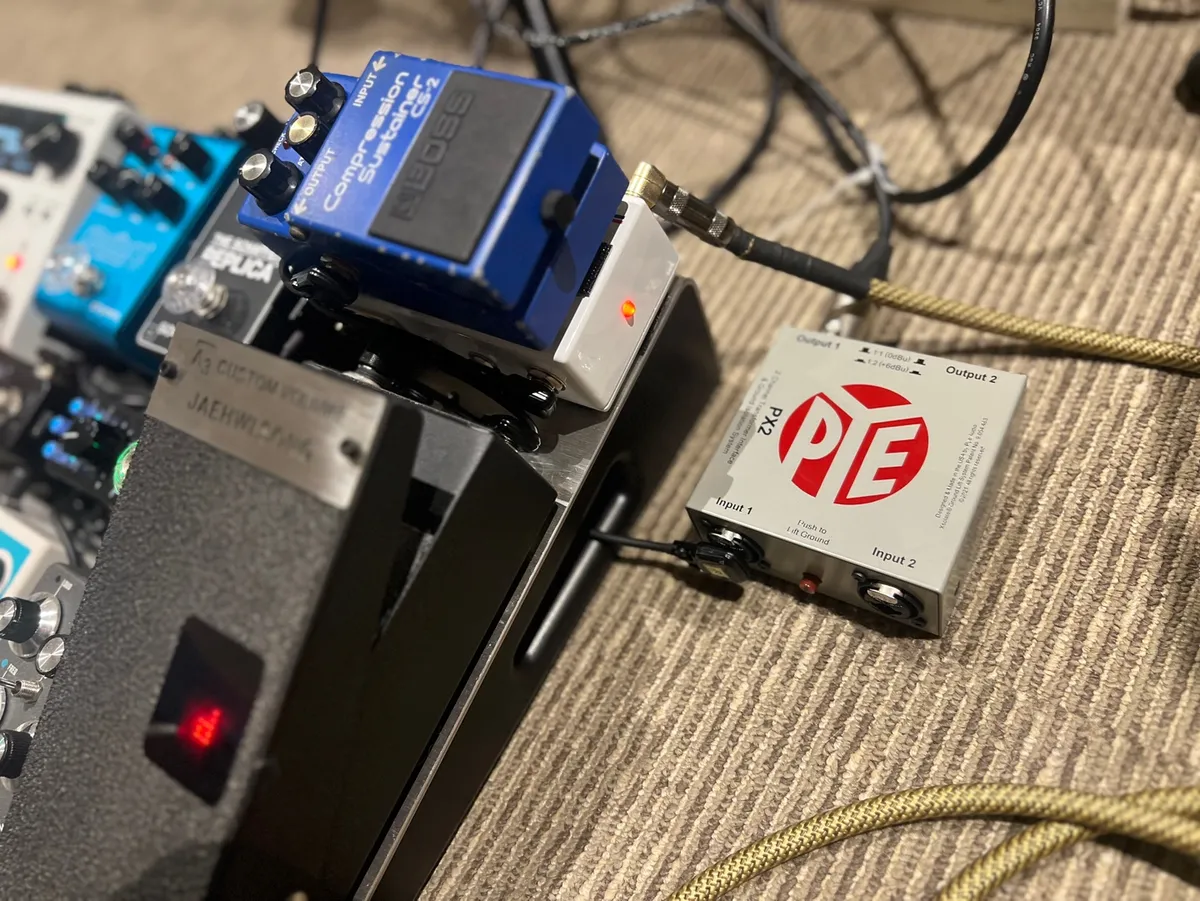
The PX2 features a classic, rugged design, typical of a boutique, hand-built unit. While visually minimalist, it conceals an impressively refined internal layout. At its core lies a high-quality transformer, the heart of its sonic character. The inclusion of a +6dB boost switch may seem minor on paper, but in practice, it’s a game-changer.
TEST SETUP
For a fair comparison, I tested three devices within the same signal chain:
• Radial JDI (Passive DI with Jensen transformer)
• DISO Line Isolator
• PYE PX2
The tests focused on their interaction with distortion and overdrive pedals, with particular attention to headroom, clarity, and transformer coloration.
PERFORMANCE
The DISO is a solid performer—clean, articulate, and well-suited for high-output setups. However, when paired with distortion pedals, I noticed occasional clipping, particularly under heavy picking or when gain levels were pushed to the maximum.
In contrast, the PX2 offered significantly more headroom at the same volume levels. It handled the signal effortlessly, maintaining clarity and punch throughout. Then came the magic: engaging the +6dB switch unlocked a new tonal landscape. It wasn’t just louder—it added thickness, a touch of musical warmth, and a subtle muddiness that rounded out the tone in a deliberate, musical way. This wasn’t merely a volume boost; it was a tone enhancement.
RECORDING & LIVE USE
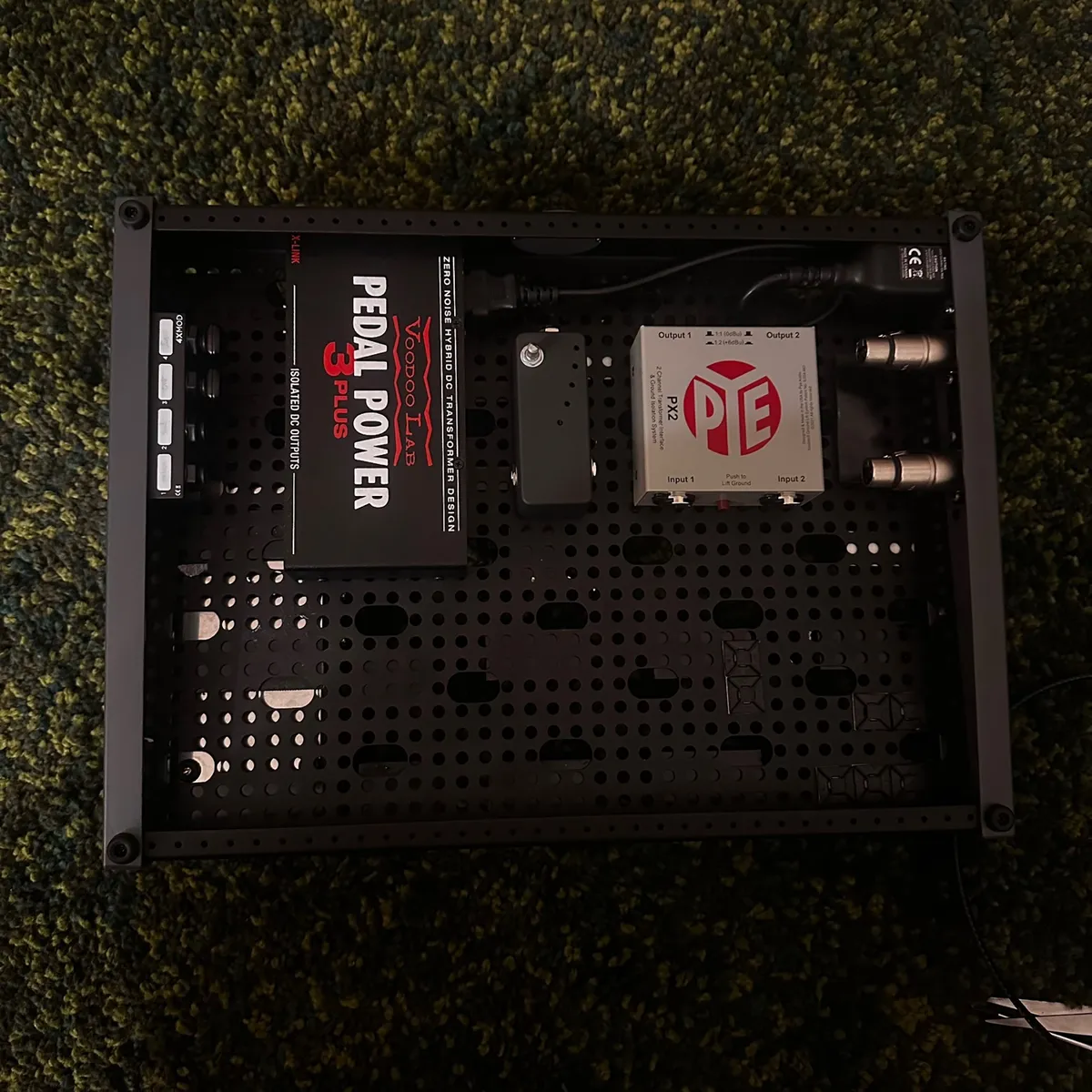
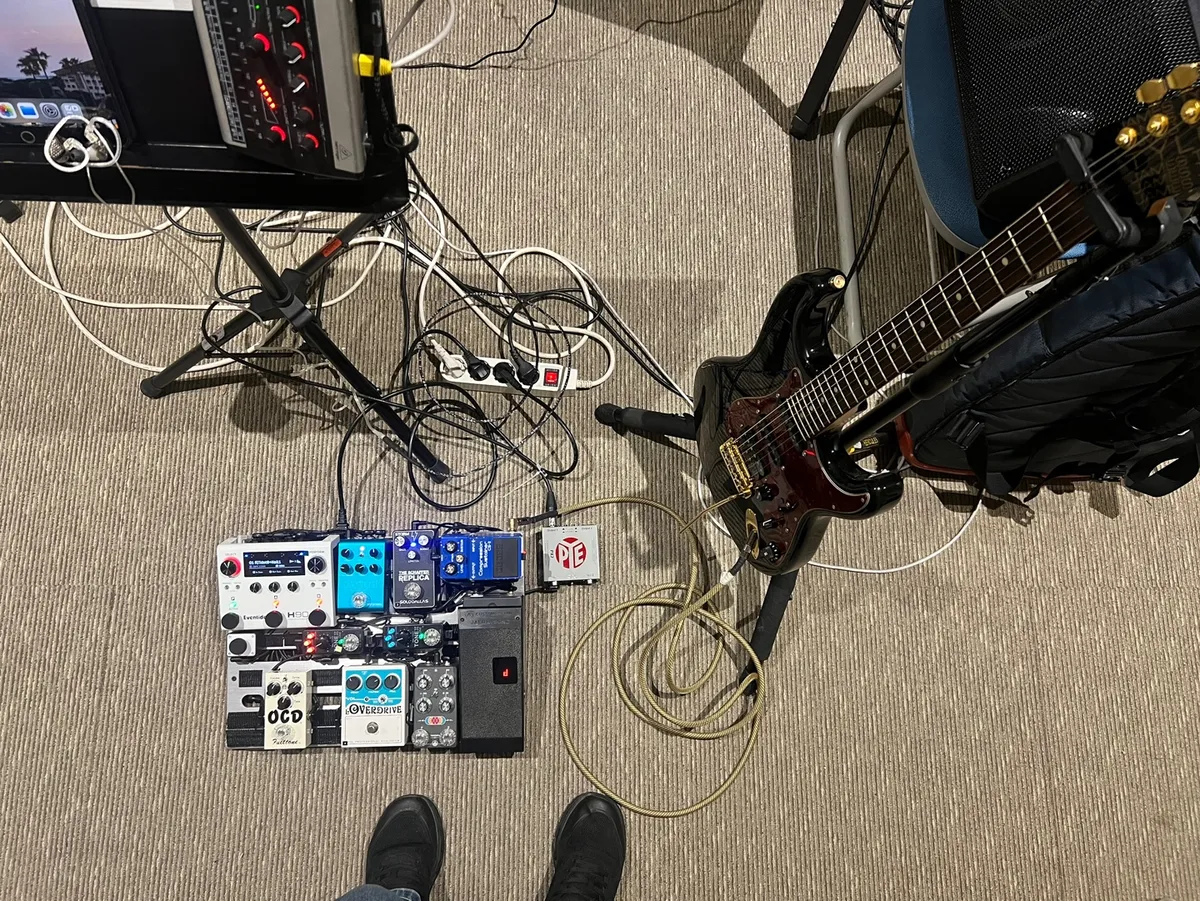
The PX2 has become a permanent fixture in my rig for everything—live gigs, rehearsals, and studio sessions. Its full potential shines in direct recording via XLR, where its transformer character imparts a naturally “polished” tone that often requires little to no EQ in post-production.
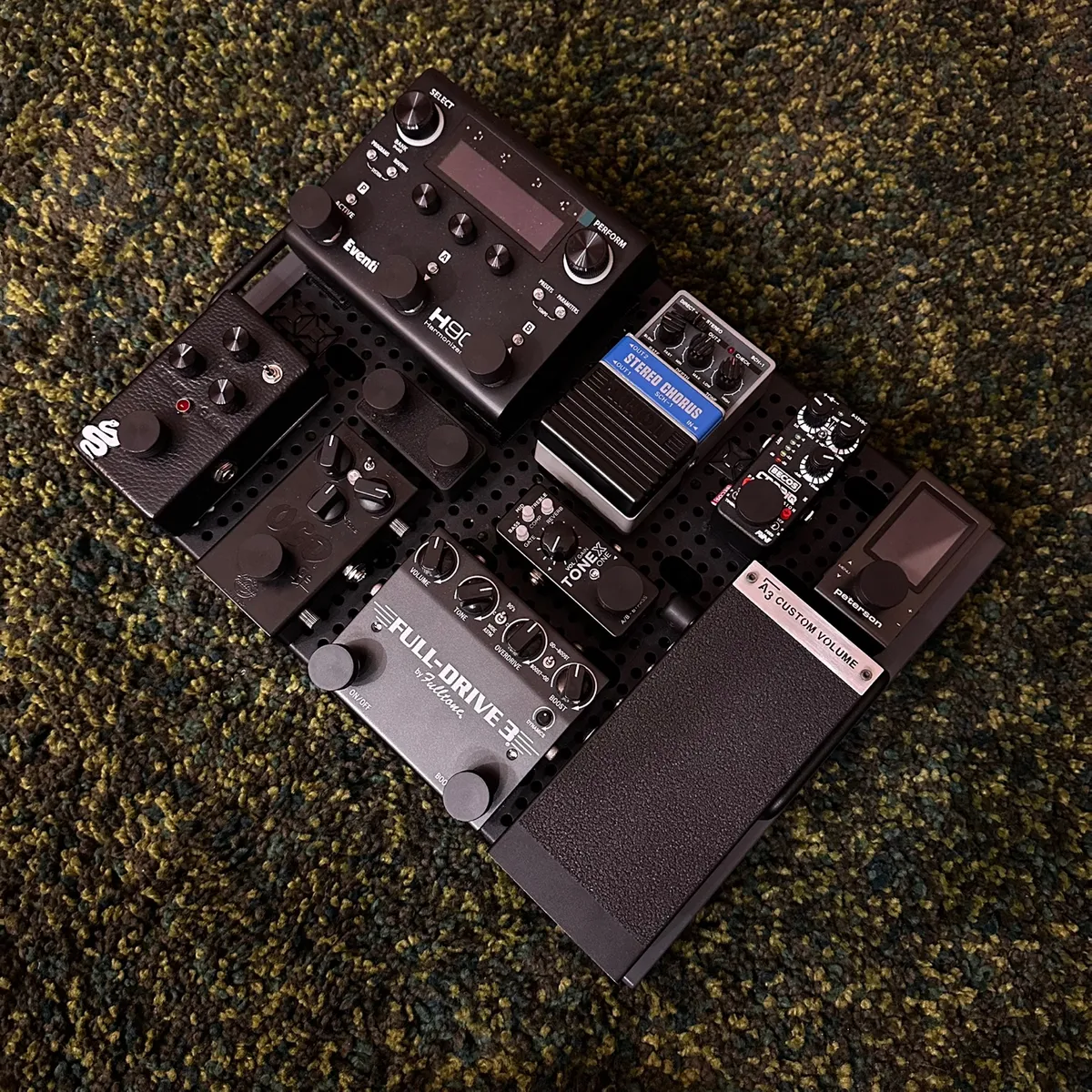
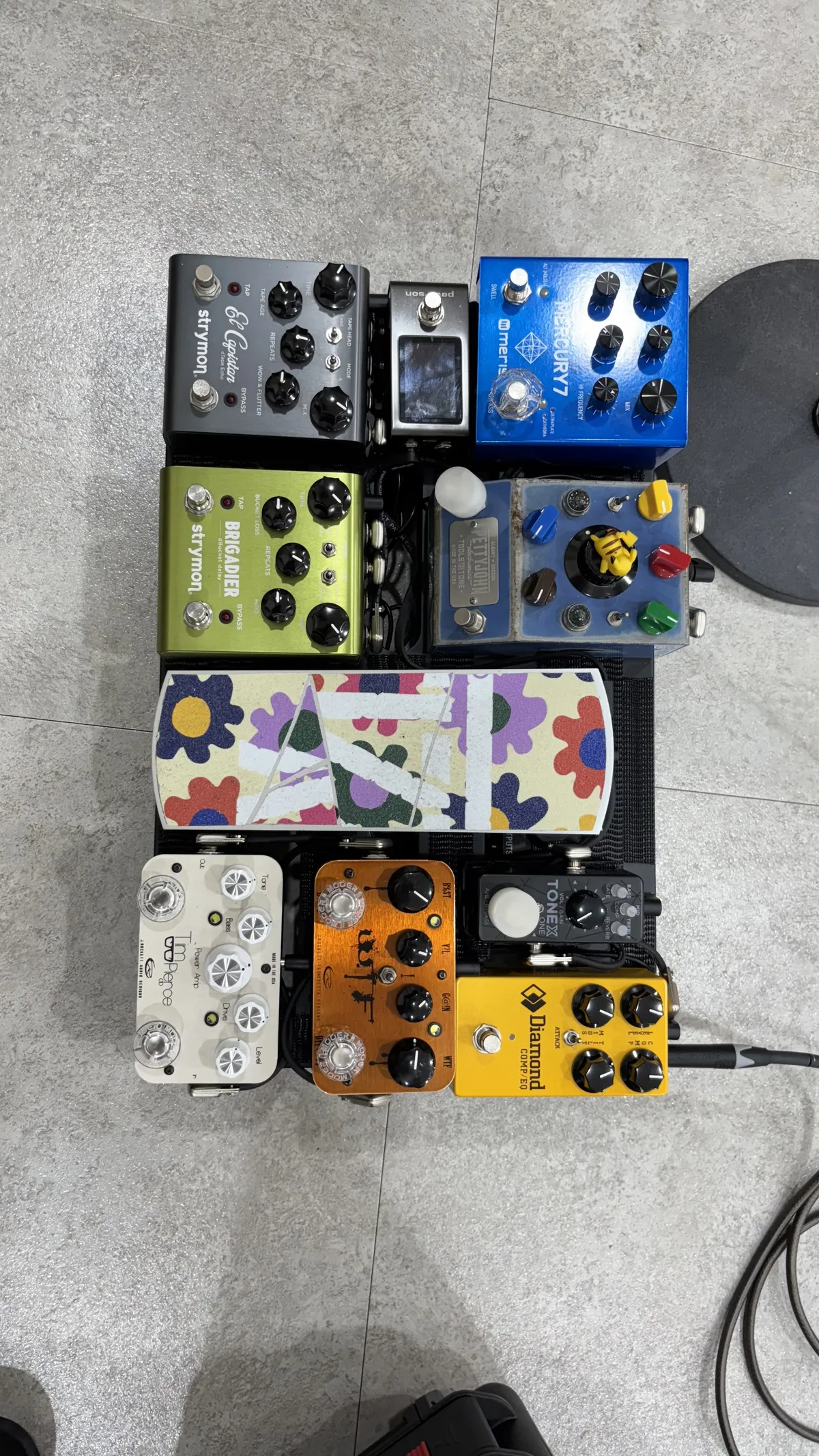
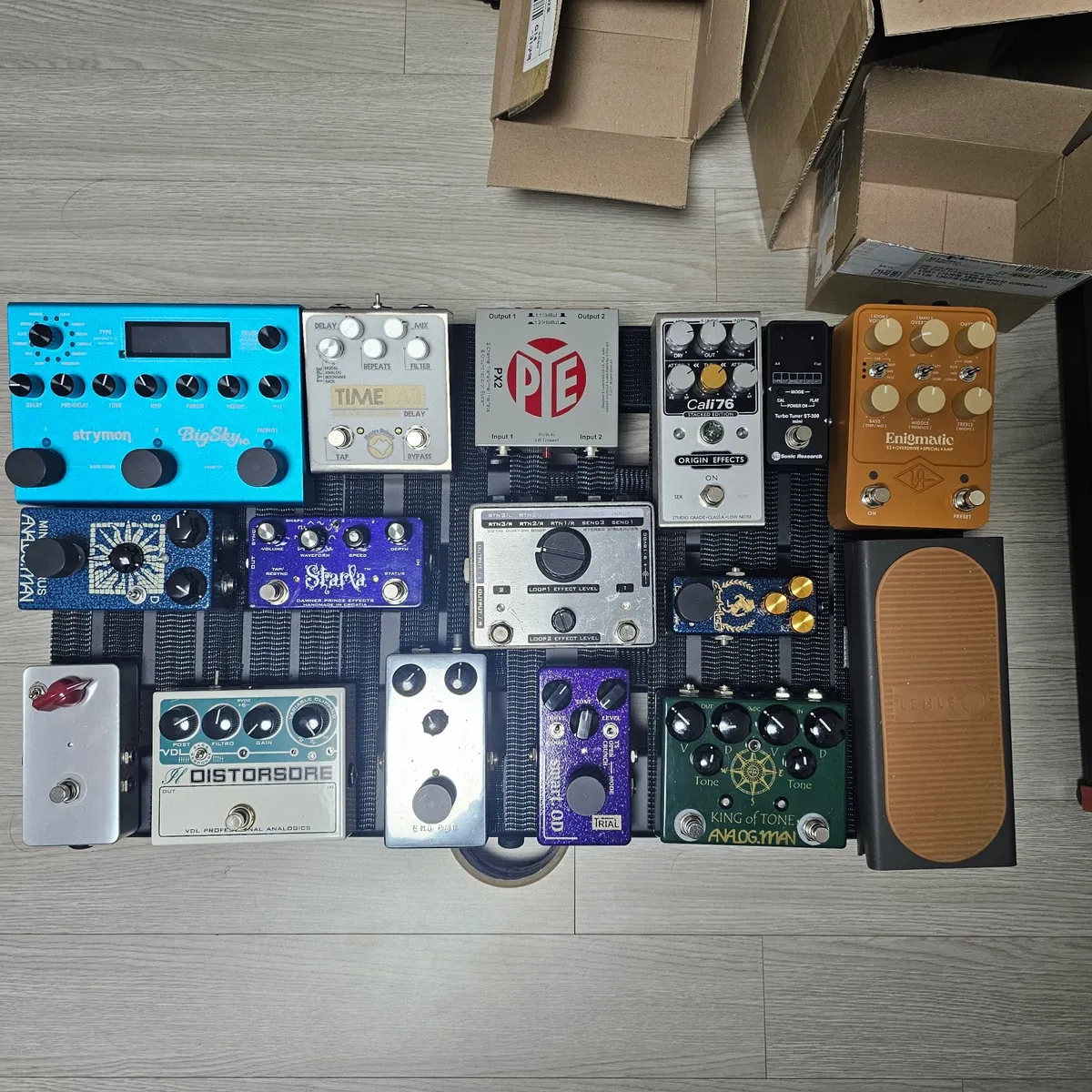
While the DISO’s summing feature is impressive, it’s not essential for my setup. My Strymon Iridium board and hybrid rig with the GT-1000 Core already provide internal summing, so the absence of this feature on the PX2 is not a drawback.
VERDICT
The PYE PX2 is not just another line isolator—it challenges your assumptions about what these utility boxes can do. If you’ve never tried one, you might not realize what you’re missing. But once you hear it, there’s no going back.
From its musical transformer character to its ample headroom and brilliant +6dB switch, everything about the PX2 feels purposeful and refined. It doesn’t just pass your signal—it enhances your tone.
One PX2 isn’t enough. I’m seriously considering adding more to every rig I own. That’s how indispensable it has become.
SPECIAL THANKS
Heartfelt thanks to Chuck for introducing me to this remarkable piece of gear and to Byung-Kook for kindly lending it for a hands-on comparison.